
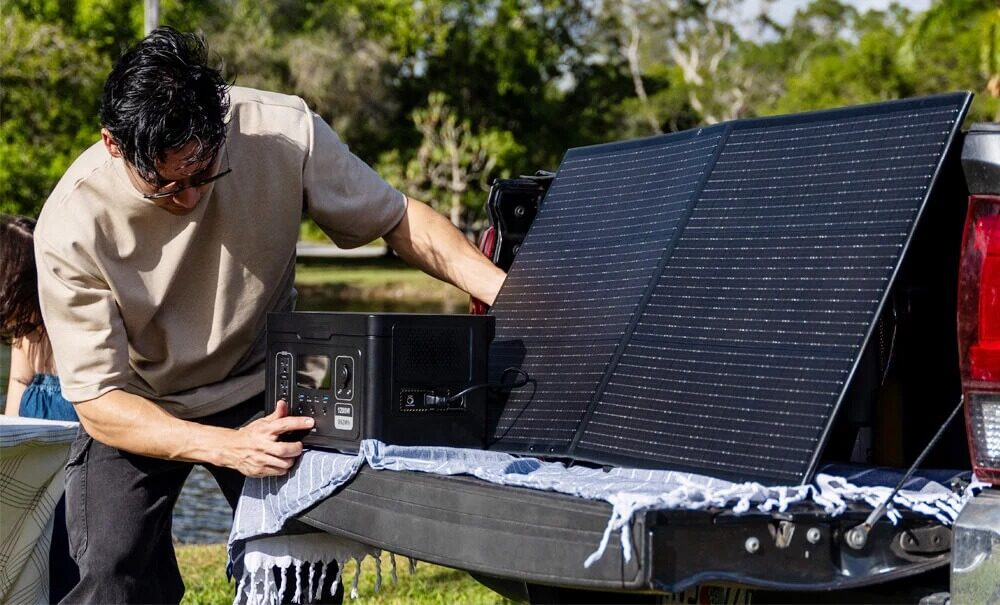
Camping today looks very different from what it did a decade ago. Outdoor trips are no longer just about carrying a tent, building a fire, and spending time disconnected from the world. Most travelers now bring smartphones, cameras, drones, tablets, GPS devices, portable speakers, and even laptops as part of their outdoor setup. These devices improve convenience and safety, but they all depend on one thing that is often unavailable outdoors: reliable electricity.
Running out of power while camping creates more than simple inconvenience. A dead phone battery can leave you without navigation, an uncharged flashlight can make nighttime movement difficult, and losing access to communication devices during emergencies can quickly become a serious problem. This growing dependency on electronics has made portable energy one of the most important parts of outdoor preparation.
The Rising Demand for Mobile Power While Camping
Nowhere is change more visible than in how journeys unfold. Applications guide campers toward open sites while updating forecasts in real time. Routes through wilderness areas appear on screens charged by portable units. Contact with others continues despite distance, maintained through digital links. Power sources support music and video far from city grids.
When battery charge starts fading, trouble begins – especially if standard outlets cannot be reached. Although external batteries help briefly, they tend to run out fast on extended excursions into nature. For those spending several days outside while depending on devices, specialized mobile energy systems provide a more dependable path forward.
Power Planning Starts Before The Trip
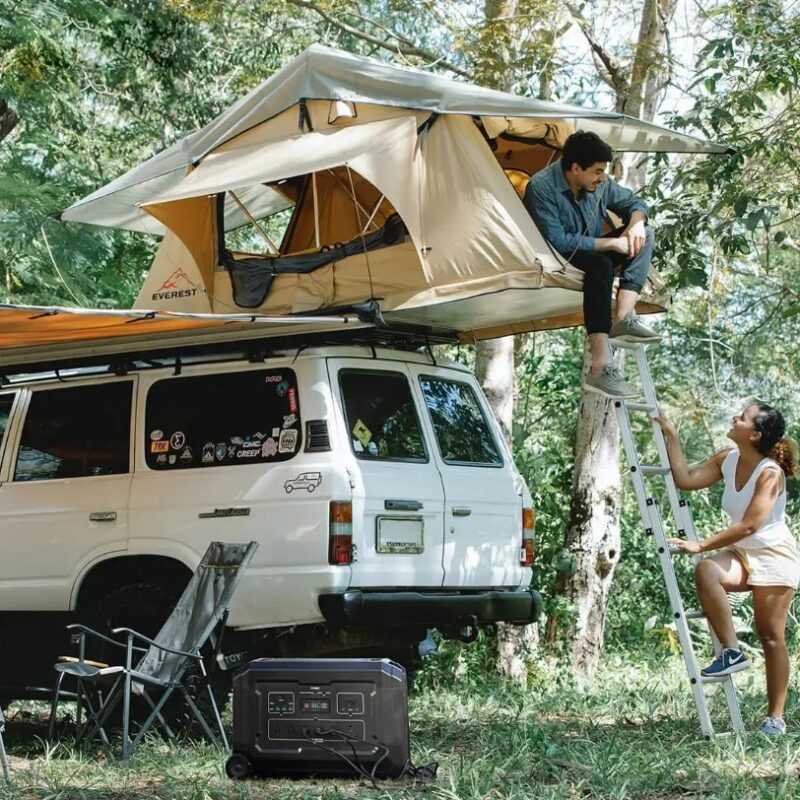
A camping power setup works best when it is planned before bags are packed. Many travelers only think about electricity once something turns off, but outdoor charging should be treated like food, water, shelter, and lighting. A short weekend trip with two phones and a lantern needs far less stored energy than a family campsite running cameras, a drone, a laptop, a cooler, and several lights through the night.
Before leaving, it helps to list every device that needs charging. Phones may need daily top ups. Cameras and drones may need several battery cycles. Lights may stay on for hours after sunset. A small fan, speaker, or electric pump can drain more energy than expected. Once the real power demand is visible, choosing the right station becomes easier. Instead of guessing, campers can match capacity to actual use and avoid carrying either too little power or too much unnecessary weight.
More Than Just a Battery Backup
Energy stored in portable stations supports more than simple recharging tasks. While traditional units serve single gadgets slowly, these supply ongoing power to numerous devices together. Through varied channels such as alternating current sockets, universal serial bus slots, direct current jacks, along with rapid transfer points, operation continues across different types of equipment. Functionality extends beyond emergency use into sustained field deployment.
A well-built Portable Power Station for Camping, when used during camping trips, runs phones alongside cameras, drones, laptops, and tablets – lighting units too, sometimes even bulkier gear if the battery allows. Far better than lugging around a collection of separate chargers meant for each device stands this single solution.
Staying Connected in Remote Places
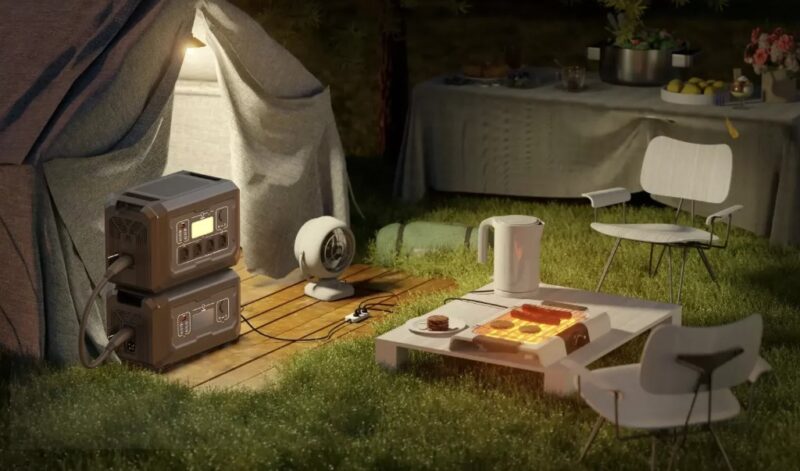
Phones now serve more as lifelines than simple devices when outdoors. With shifting needs during travel, staying reachable takes priority for many who venture off-grid. When moving through unknown regions, access to digital maps supports direction finding. Contacting loved ones becomes possible only with stable energy sources. Alerts about sudden weather shifts require working screens and signals. Without dependable charging options, these functions fail just when they matter most.
Throughout extended journeys, maintaining a steady charge on electronics matters most. Because portable camping power station remove the need to track declining batteries, staying online feels less demanding. When access to outlets is limited, such units make connectivity possible – simply by being present. Without them, locating plug-ins often interrupts exploration.
Safety Feels Different When Devices Stay Alive
Power outdoors is not only about comfort. It also affects how safe a trip feels once distance, darkness, and weather begin to matter. A working phone can help campers check routes, share locations, or call for help. A charged light can prevent falls around uneven ground. A radio or satellite communication device can stay ready when cellular service becomes weak or disappears completely.
This is especially important for people camping with children, older family members, pets, or larger groups. One drained battery may not seem dramatic during the day, but at night it can quickly create stress. A portable station gives everyone a central charging point, which makes it easier to keep essential devices above critical battery levels. Even when the campsite feels peaceful, reliable power adds quiet security. It does not remove the need for preparation, maps, first aid, or smart decisions, but it supports all of them in the background.
Built for long outdoor use
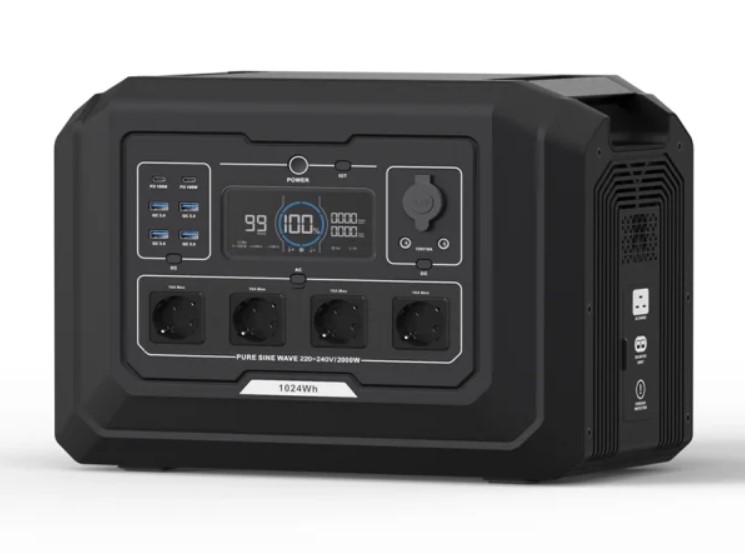
A key benefit of high-end portable power solutions lies in extended battery life. Built using LiFePO4 chemistry, today’s models endure many charging phases without decline in output. Because of consistent reliability across time, these devices fit well with the routines of those who travel often. For individuals camping multiple times each year, dependable operation becomes a quiet necessity.
Battery size gains significance under shared usage conditions. When groups camp together, numerous gadgets like phones, lights, cameras, and radios need power simultaneously – so sustained output matters more than peak performance. Energy reserves must endure extended nighttime demands while avoiding constant recharge cycles, making reliability a quiet necessity rather than a highlighted feature.
Capacity, Weight, And Output Should Work Together
The biggest power station is not always the best camping power station. Capacity matters, but so does carrying weight, storage space, and how the unit will be used. A compact model may be enough for light weekend trips, especially if the goal is to charge phones, cameras, and small lights. Longer stays, vehicle camping, RV setups, or group trips usually require a larger station with stronger output and more ports.
The important balance comes from matching the unit to the trip. Too little capacity leads to stress. Too much capacity creates extra bulk, especially if the campsite is far from the car. Output also matters because some devices need more power than a simple USB port can provide. Campers should think about:
- How many people will use the station?
- How many nights the trip will last?
- Whether solar charging will be available?
- Which devices need AC power?
- How much weight is reasonable to carry?
- Whether the unit will stay in a vehicle or move around camp?
A smart choice does not simply hold power. It fits the way the trip actually works.
Charging adapts to all trips
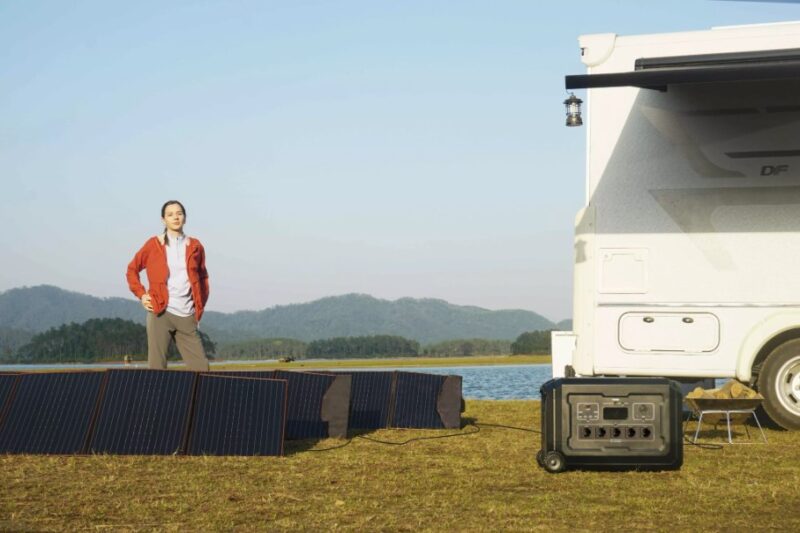
Out here, juice on the move only matters if you can refill it many ways. Top-tier portable power boxes welcome various top ups – plug into regular sockets at home, grab a charge from your car engine mid-drive, even pull current straight from sun panels when stuck off grid for days.
Out here, freedom from fixed setups means fewer boundaries than old-style gear allows. Rather than depending only on stored juice in batteries, travelers keep producing energy even when miles off grid connections.
Less effort built right in
Most people find these battery units straightforward. Not like old machines needing oil changes, noisy motors, or gas handling – these run without sound distractions. A smooth setup happens just by connecting devices directly. Fewer steps mean less trouble each time.
A traveler might find it easier when their gear keeps working without fuss. One of those helpful tools powers up phones, lights, even small fans – all at once. It runs steady without sudden drops or hiccups. Size does not get in the way – it fits where space is tight. When the grid fades out, this piece holds its ground quietly. Less struggle shows up on long trips because everything stays charged. Ready means ready, no extra steps.
Final Thoughts
Out here, gadgets keep people connected, found, warm, and safe when they’re off grid. When tents come with chargers now, power isn’t just nice to have – it’s packed right beside the sleeping bag.
Out there, away from outlets, a reliable energy source makes life easier for those exploring nature. Battery strength stands out, offering plenty of stored power before needing recharge. Instead of just one port, these units give several ways to feed devices at once. Sunlight can refill them, so can car sockets or standard wall plugs – options stack up when it matters. When darkness falls and phones run low, having juice on hand changes everything. Through rain or quiet mornings, they keep working without surprise stops.