
Table of Contents
- Why Waterfront Decks Need Extra Care
- Control Slippery Surfaces
- Railings and Guards
- Edge Protection and Fishing Access
- Lighting and Night Safety
- Materials and Maintenance
- Code Requirements at a Glance
- Frequently Asked Questions
- Final Checklist Before the Next Cast
Why Waterfront Decks Need Extra Care
A waterfront deck is one of the most enjoyable spaces on a property. It is also one of the easiest places to get hurt. Moisture, spray, slick fish scales, wet ropes, uneven footing, and the constant pull of open water combine to create risks that a backyard patio rarely faces. Anglers add more variables: tackle boxes, coolers, hooks, and people leaning over the edge to net a fish.
The good news is that most waterfront deck hazards can be reduced with planning, the right materials, and regular checks. The steps below focus on the areas that matter most: footing, railings, edges, lighting, and maintenance.
Control Slippery Surfaces
Slipping is the most common problem on wet decks, especially when the boards are constantly splashed or shaded. Start with the walking surface itself:
- Choose a textured finish. Grooved or brushed decking surfaces shed water better than smooth boards.
- Check boards after rain. Algae and mildew make even good surfaces slick. Clean them before the season begins and again whenever a green film appears.
- Add non-slip treads to steps. Stair nosings with grit or abrasive strips give feet a clear edge to grip.
- Plan drainage. Standing water is a hazard. Leave small gaps between boards and make sure the deck slopes slightly away from the house and walkways.
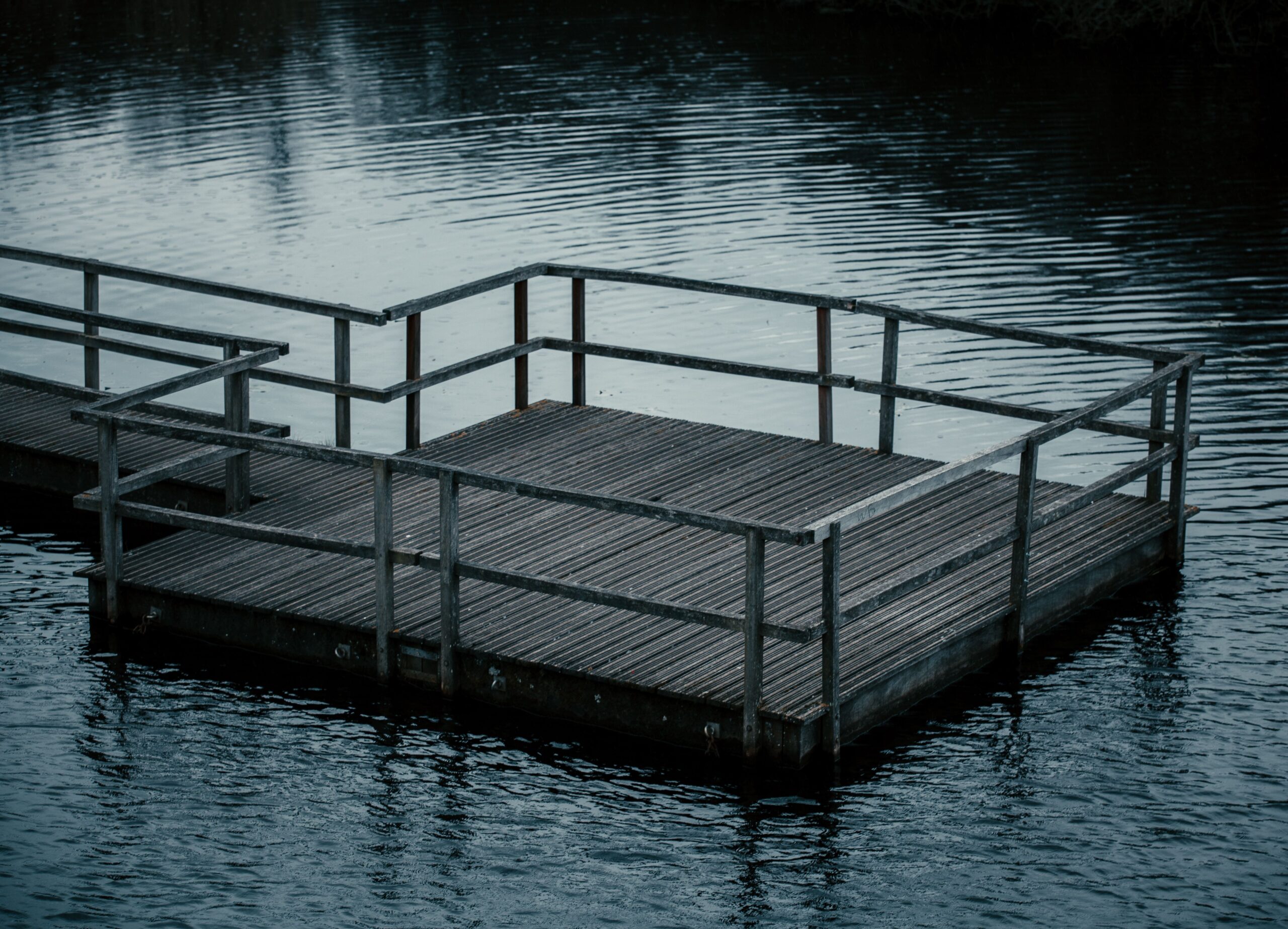
The image below shows how a wet, grained surface can become hazardous even when it looks solid. Texture and cleaning routines matter as much as the material itself.

Railings and Guards
Railings are the most important protection on any elevated deck. A guard keeps people from stepping off an open edge, and a handrail gives them something to hold while walking on stairs or moving across a slippery surface. When choosing a railing system, look for:
- A top rail that is firm and does not flex under a person’s weight
- Infill spacing tight enough that a small child cannot slip through
- Posts that are securely attached to the deck framing, not just the decking boards
- A grip diameter that feels comfortable when a hand is wet or cold
Many homeowners choose composite balustrades for waterfront decks because the material resists rot, does not need frequent painting, and keeps a consistent shape through seasons of moisture. Whatever material you choose, inspect the fasteners and post connections at least once a year.

Edge Protection and Fishing Access
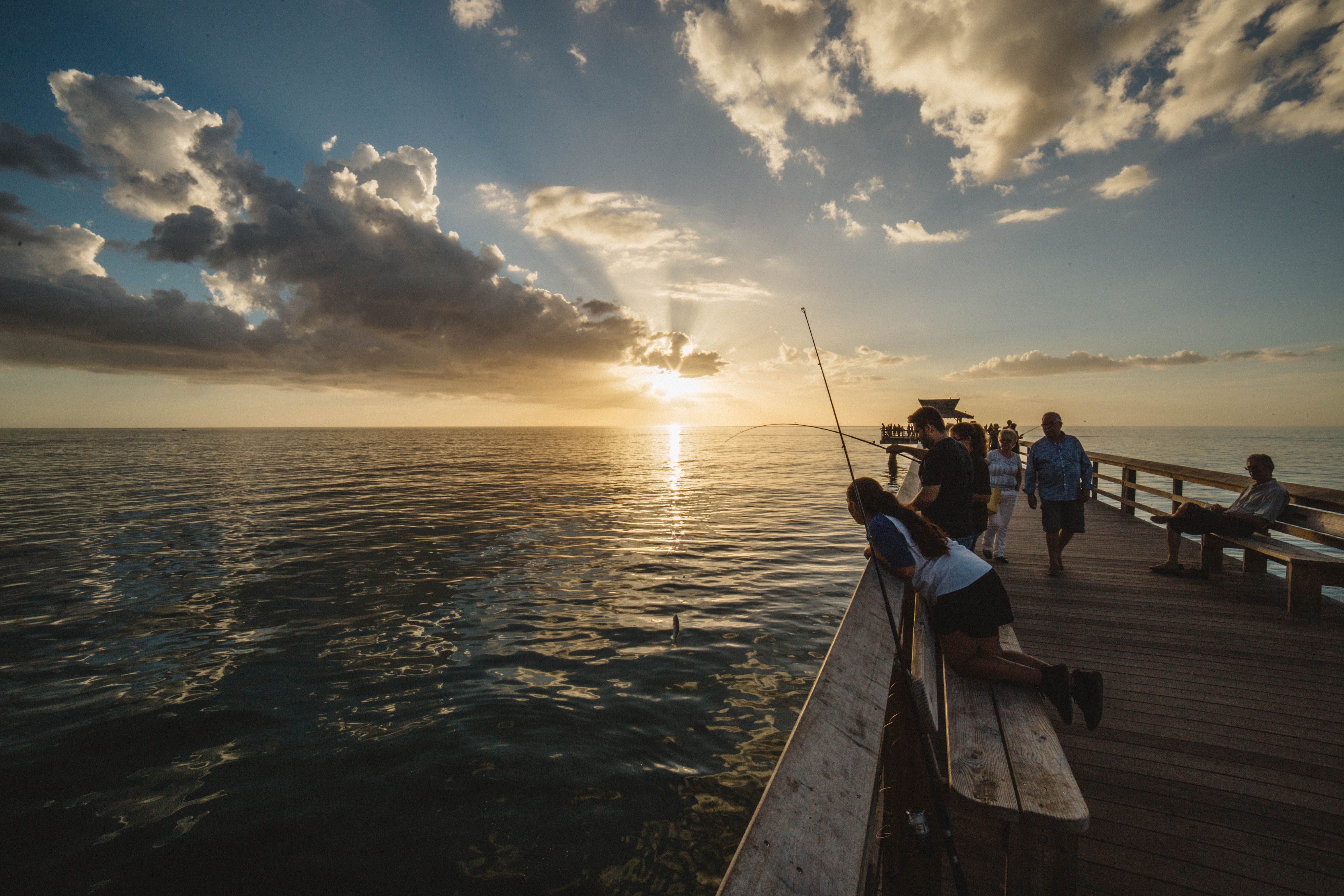
Fishing decks need a balance. You want an open view of the water and room to cast, but you also need protection at the perimeter. Accessibility guidance for fishing piers recommends that edge protection extend a minimum of 2 inches above the walking surface where railings are used, which helps prevent wheelchairs and other mobility devices from slipping off the edge. The same guidance notes that railings should be placed in several locations so that anglers have different spots to fish from, with varied sun, shade, and water depth. You can read more in these accessibility and universal design best practices for fishing and boating facilities.
Practical ways to improve edge safety include:
- Installing a low curb or kick plate along the outer edge
- Keeping at least one clear, unobstructed area for turning and maneuvering
- Placing rod holders and tackle storage so they do not block walkways
- Marking the edge with a contrasting board color where the deck meets the water
Lighting and Night Safety
Many fishing trips start before sunrise or end after dark. A deck that feels safe in daylight can become confusing at night. Good lighting is inexpensive and effective:
- Use low-glare path lights along walkways and stair runs
- Place a light near the entry door and at the top and bottom of stairs
- Choose motion-activated lights for the dock or launch area
- Avoid bright lights that shine directly into the eyes of anglers, which can make depth and edges harder to judge
Keep a flashlight or headlamp in a fixed spot near the door so you can check the deck before walking it in the dark.
Materials and Maintenance
Water exposure is hard on wood, metal, and fasteners. A deck that is sound today can loosen over a few seasons if it is not maintained. Build a simple routine:
- Each spring: Clean the surface, check for loose boards, and tighten or replace fasteners that have backed out
- After storms: Look for shifted posts, damaged railings, and debris that could trip someone
- Each fall: Check the connection between the deck and the house, clear drains, and store loose fishing gear
- Throughout the year: Replace any rotted or cracked board before it becomes a weak point
Use stainless steel or coated fasteners, since standard steel corrodes quickly in salt or humid air. Rinse the deck periodically if it sits near saltwater, because salt residue can speed up wear.
Code Requirements at a Glance
Building codes set minimum safety standards for guards and railings. Requirements vary by state and city, and some jurisdictions go further than the national model code. The table below summarizes the most common benchmarks. Always confirm the rules with your local building department before you build or replace a railing. Many local offices publish their own requirements, such as this city deck and guardrail handout.
Frequently Asked Questions
How high should a waterfront deck railing be?
Many residential codes require a guard at least 36 inches high on decks more than 30 inches above grade. Some states and cities require 42 inches, so check local rules before building.
What is the best way to prevent slipping on a wet deck?
Choose a textured or grooved surface, clean off algae and mildew regularly, add non-slip strips to stair edges, and make sure the deck drains properly so water does not pool.
Do fishing decks need different safety features than patios?
Yes. Fishing decks often have open edges, wet surfaces, heavy gear, and people leaning over the water, so they benefit from sturdier guards, edge protection, and clear walking routes.
Final Checklist Before the Next Cast
Before you settle in for a morning of fishing or an evening with friends, walk the deck slowly and check each area. Look for loose boards, wobbly rails, slick patches, cluttered walkways, and dim corners. Fixing a few small issues now can prevent a serious injury later. A well-kept waterfront deck is comfortable, practical, and far safer for everyone who uses it.